Unlocking the Potential of Computer-Aided Drug Design (CADD): Bridging Theory and Practice
Master AI-driven drug discovery frameworks to design next-generation therapeutics. Bridge computational chemical theory and practical laboratory application in life sciences.
- 4.0/5
- English
- Updated Oct 2026
₹199
$5
Indian learners pay in INR; international learners are billed in USD.
Paying from outside India? Use this link to complete your payment.
About this course
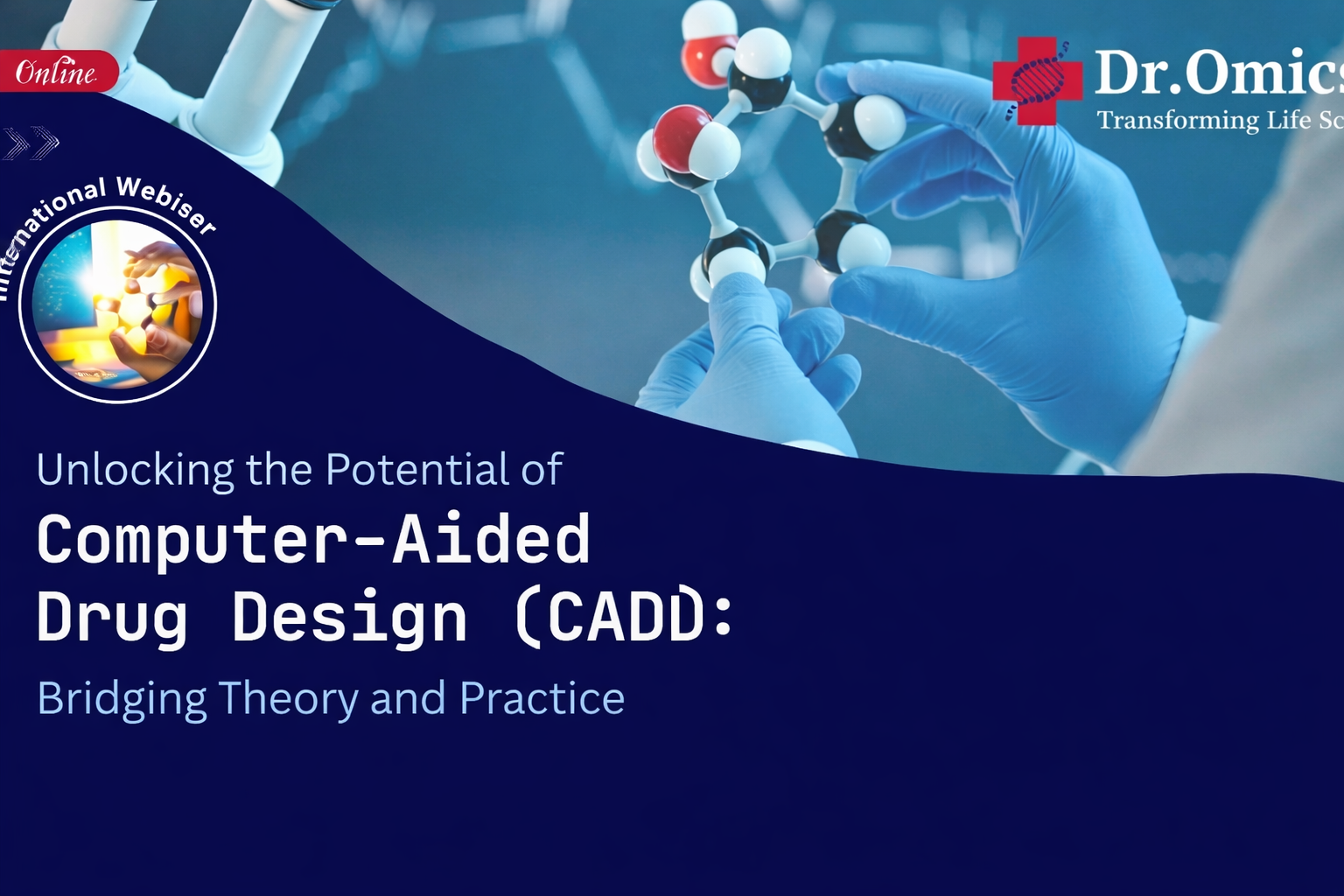
Welcome to the forefront of pharmaceutical innovation, where artificial intelligence meets modern medicine. This intensive course bridges the gap between theoretical chemistry and actionable laboratory practice in Computer-Aided Drug Design (CADD). As shown in 18.png, this specialized online international program is tailored for the evolving life sciences landscape. You will explore how generative AI models, deep learning, and predictive machine learning algorithms accelerate the traditional drug discovery timeline. Throughout this curriculum, participants will dive deep into virtual screening workflows, lead optimization, and molecular docking algorithms. By utilizing advanced software tools, you will learn to predict pharmacological properties and simulate complex molecular interactions with precision. This training empowers you to bypass expensive wet-lab trial-and-error by predicting target-ligand affinities computationally. Ultimately, this course provides the comprehensive theoretical foundation and hands-on software expertise needed to build a highly competitive career in AI-driven biotechnology.
What you will learn
Skills you will gain
Certification
Available
Issued by Dr. Omics EduCourse curriculum
1 moduleWhat you need to start
- A basic background in biochemistry, organic chemistry, or general life sciences.
- No prior programming experience or deep computational knowledge is required; all primary CADD software tools will be taught step-by-step.
Who this course is for
- Pharmacy & Pharmacology Professionals: Chemists and pharmacologists wanting to integrate AI tools into traditional drug formulation pipelines.
- Life Science Researchers: Biotech, bioinformatics, and biochemistry scholars looking to complement wet-lab assays with powerful dry-lab computation.
- Aspiring AI Bio-Engineers: Data scientists eager to apply specialized computational intelligence to the pharmaceutical sector.
