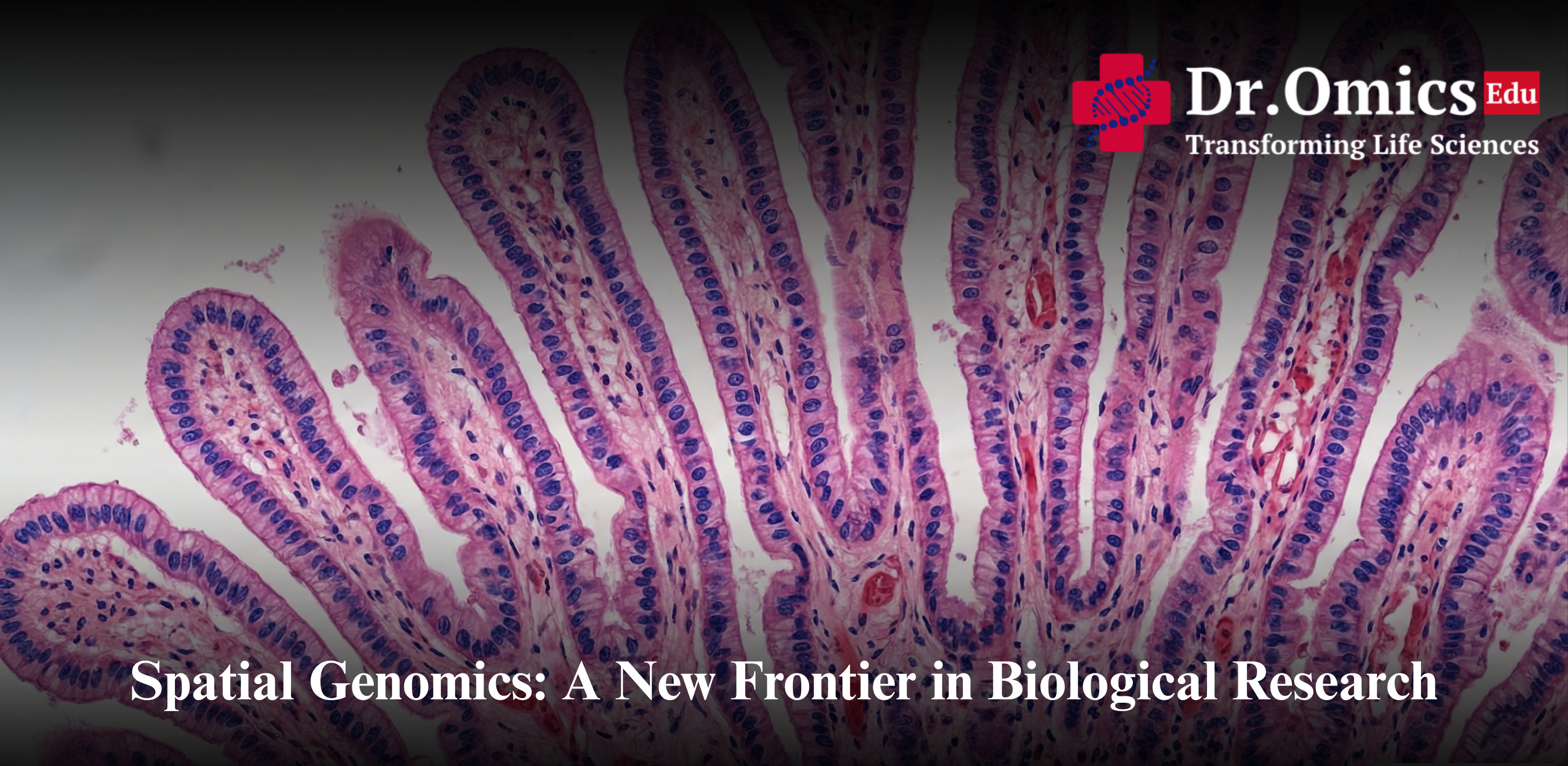
Spatial Genomics: A New Frontier in Biological Research
Spatial Genomics: A New Frontier in Biological Research
Key Takeaways
- Spatial genomics preserves tissue context while analyzing gene expression.
- Combines single-cell genomics with spatial information for deeper biological insight.
- Spatial transcriptomics reveals cellular interactions in complex tissues.
- Critical applications include cancer research, neuroscience, and immunology.
- Advanced bioinformatics tools are essential for spatial data analysis and integration.
Spatial genomics represents a transformative leap in biological research by enabling high-resolution tissue analysis while preserving spatial context. Unlike traditional bulk or single-cell approaches that lose positional information, spatial genomics allows researchers to study gene expression patterns within intact tissues. By integrating single-cell genomics, spatial transcriptomics, and advanced bioinformatics tools, scientists can now decode how cellular organization and microenvironments shape development, disease progression, and therapeutic response—unlocking new possibilities in genomics and precision medicine.
Understanding Spatial Genomics
Spatial genomics bridges a critical gap between molecular profiling and tissue architecture. It enables the mapping of gene expression directly onto tissue sections, revealing how cells interact within their native microenvironment.
Why Spatial Context Matters
- Cell behaviour is influenced by neighbouring cells and extracellular signals
- Tissue architecture affects gene regulation and cellular function
- Spatial relationships drive disease progression, especially in cancer
By preserving spatial information, researchers gain a systems-level understanding of biological processes.
Key Technologies Driving Spatial Genomics
Spatial Transcriptomics
Spatial transcriptomics captures RNA molecules from tissue sections while retaining positional information. Platforms such as 10x Genomics Visium and Slide-seq allow transcriptome-wide profiling across tissue landscapes.
In Situ Sequencing and Hybridization
Imaging-based sequencing methods directly analyse RNA molecules within intact tissues:
- MERFISH (Multiplexed Error-Robust FISH)
- seqFISH
These approaches provide single-molecule resolution and are ideal for studying fine-scale cellular interactions.
Imaging-Based Spatial Profiling
Techniques such as fluorescence in situ hybridization (FISH) and immunohistochemistry, combined with high-resolution microscopy, visualize gene and protein expression patterns across tissues.
Applications of Spatial Genomics Across Biology
Cancer Research and Tumor Microenvironments
Spatial genomics enables detailed mapping of tumor heterogeneity, revealing how cancer cells interact with immune and stromal cells. This insight is critical for understanding metastasis, drug resistance, and therapeutic response.
Developmental Biology
By tracking gene expression across space and time, spatial genomics uncovers signalling gradients and cellular interactions that drive tissue and organ formation.
Neuroscience
Spatial mapping of neuronal populations helps decode brain organization, connectivity, and disease-associated changes in gene expression.
Immunology
Understanding the spatial distribution of immune cells within tissues reveals how immune responses are coordinated in infection, inflammation, and cancer.
Plant Biology and Microbiology
Spatial genomics extends beyond human biology, supporting studies of plant development, stress responses, and microbial community organization in ecosystems and the human microbiome.
The Role of Bioinformatics in Spatial Genomics
Data Processing and Analysis
Spatial genomics generates large, complex datasets that require specialized bioinformatics tools for:
- Image alignment and spot deconvolution
- Gene expression normalization
- Cell-type annotation
Popular tools include Seurat, Scanpy, Giotto, and STUtility.
Multi-Omics Data Integration
Combining spatial genomics with single-cell RNA-seq, proteomics, and epigenomics provides a more comprehensive view of biological systems.
Challenges and Future Directions
Despite its promise, spatial genomics faces several challenges:
- High data complexity and computational demands
- Balancing spatial resolution with transcriptome coverage
- Cost and accessibility of platforms
- Standardization of analysis pipelines
Ongoing advances in sequencing chemistry, imaging resolution, and computational frameworks are rapidly addressing these limitations.
Conclusion: Why Spatial Genomics Matters
Spatial genomics is redefining how we study biology by linking gene expression to tissue architecture. By combining single-cell genomics, spatial transcriptomics, and powerful bioinformatics tools, researchers can uncover cellular interactions that were previously invisible. As technologies mature and costs decline, spatial genomics will play an increasingly central role in basic research, translational science, and precision medicine—making it one of the most impactful frontiers in modern genomics.
