Innovations in Computational Drug Discovery: What’s New?
Computational drug discovery is transforming the pharmaceutical landscape by leveraging technology to accelerate drug development, reduce costs, and enhance success rates. Recent innovations in CADD combine artificial intelligence (AI), machine learning (ML), quantum computing, and robotics to streamline the identification and optimization of therapeutic compounds. These advances enable precise modeling of molecular interactions, prediction of drug efficacy and toxicity, and the exploration of vast chemical spaces, paving the way for more targeted and effective treatments.
This article explores the latest computational drug discovery techniques, highlighting key innovations, applications, and future directions for researchers and industry professionals.
Key Innovations in Computational Drug Discovery
Artificial Intelligence (AI) and Machine Learning (ML)
AI and ML are central to modern drug discovery, allowing researchers to harness complex datasets for predictive and generative purposes.
Deep Learning
Neural networks analyze massive chemical and biological datasets, predicting molecular properties and identifying promising drug candidates.
Generative Models
AI can create novel molecular structures with desired pharmacological properties, expanding the chemical space explored for drug development.
Reinforcement Learning
AI agents learn optimal strategies through trial and error, refining drug design workflows and enhancing decision-making.
External link suggestion: Link "AI and ML in drug discovery" to NIH Artificial Intelligence in Biomedicine.
Quantum Computing
Quantum computing is emerging as a transformative tool for molecular simulations and optimization in drug discovery.
Molecular Simulations
Quantum algorithms simulate complex molecular interactions at a level of precision previously unattainable, aiding in lead optimization.
Optimization Problems
Quantum computing efficiently solves optimization challenges, such as selecting the most promising drug candidates from large libraries.
Generative Adversarial Networks (GANs)
GANs are being applied to generate and evaluate novel molecular structures:
- Molecular Generation: GANs mimic existing molecules to propose new compounds with high therapeutic potential.
- Property Prediction: GANs predict key drug properties, including solubility and toxicity, guiding candidate selection.
High-Throughput Screening (HTS) and Robotics
Automation and miniaturization accelerate the experimental phase of drug discovery.
Automation
Robotics streamline HTS, enabling millions of compounds to be screened quickly and reproducibly.
Miniaturization
Lab-on-a-chip and microfluidic devices facilitate high-throughput assays with reduced material usage and enhanced precision.
Internal link suggestion: Link "HTS and robotics" to your bioinformatics workflow optimization guide.
Data Science and Predictive Analytics
Data-driven approaches are critical for informed decision-making in computational drug discovery.
Big Data Analysis
Advanced analytics extract insights from chemical libraries, clinical trial data, and patient datasets, guiding drug design.
Predictive Modeling
ML models predict drug efficacy, toxicity, and pharmacokinetics, minimizing experimental failures and improving selection accuracy.
Latest Trends in Computational Drug Discovery
- Cloud-Based Platforms: Accessible high-performance computing enables collaboration and large-scale analyses globally.
- Open-Source Tools: Platforms like AutoDock, Chimera, and RDKit democratize access to computational resources.
- Collaborative Partnerships: Academia, industry, and government initiatives foster innovation and accelerate translation into therapeutics.
External link suggestion: Link "open-source tools" to AutoDock official repository.
Impact and Future Directions
Innovations in computational drug discovery are reshaping the pharmaceutical industry:
- Accelerated Drug Discovery: Timeframes from target identification to lead optimization are significantly reduced.
- Personalized Medicine: AI-driven workflows support therapies tailored to individual genetic profiles.
- Drug Repurposing: Computational tools reveal new applications for existing drugs, addressing rare or complex diseases.
- Enhanced Efficiency: Automation and predictive modeling improve reproducibility and reduce experimental costs.
Conclusion
The latest in computational drug discovery represents a convergence of AI, quantum computing, HTS, and data science, enabling more efficient, accurate, and cost-effective drug development. By leveraging these innovations, researchers can explore uncharted chemical spaces, design personalized therapeutics, and accelerate the translation of discoveries into clinical practice. As technology continues to advance, computational drug discovery is poised to drive breakthroughs that could fundamentally transform the pharmaceutical industry and improve patient outcomes worldwide.
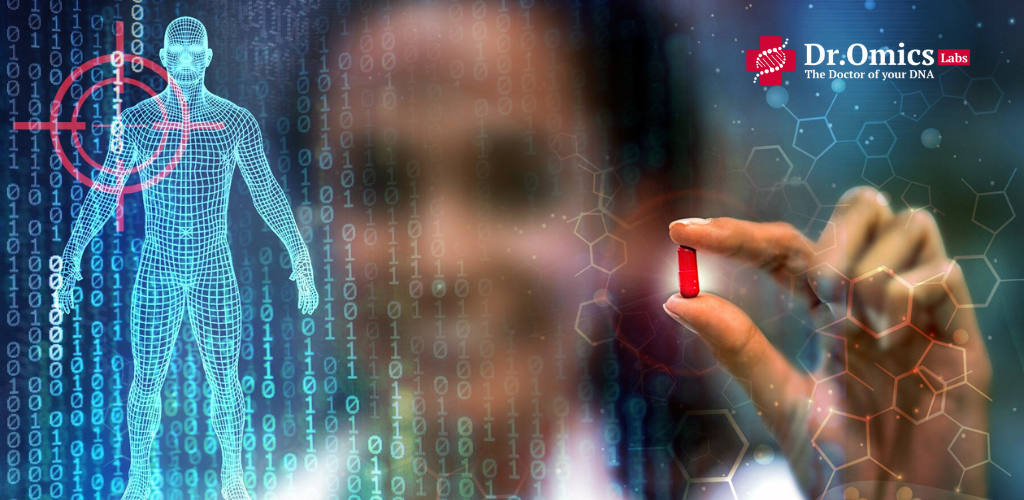
Image Alt-Text: “Innovations in CADD: AI, Quantum Computing, and High-Throughput Drug Discovery”
FAQ: People Also Ask
1. What are the newest innovations in computational drug discovery?
Recent innovations include AI-based deep learning, generative models, quantum computing, GANs, and robotics-driven high-throughput screening.
2. How does AI improve drug discovery?
AI predicts molecular properties, generates novel compounds, optimizes workflows, and supports personalized therapy development.
3. What role does quantum computing play in drug design?
Quantum computing enables precise molecular simulations and efficiently solves optimization problems, accelerating the selection of promising drug candidates.
Competitive Angle for Authority: Include a comparison table of AI, quantum, and GAN-based platforms detailing their capabilities, best use cases, and scalability. This provides actionable guidance beyond standard overviews.
External link suggestion: Link "drug repurposing" to DrugBank.
