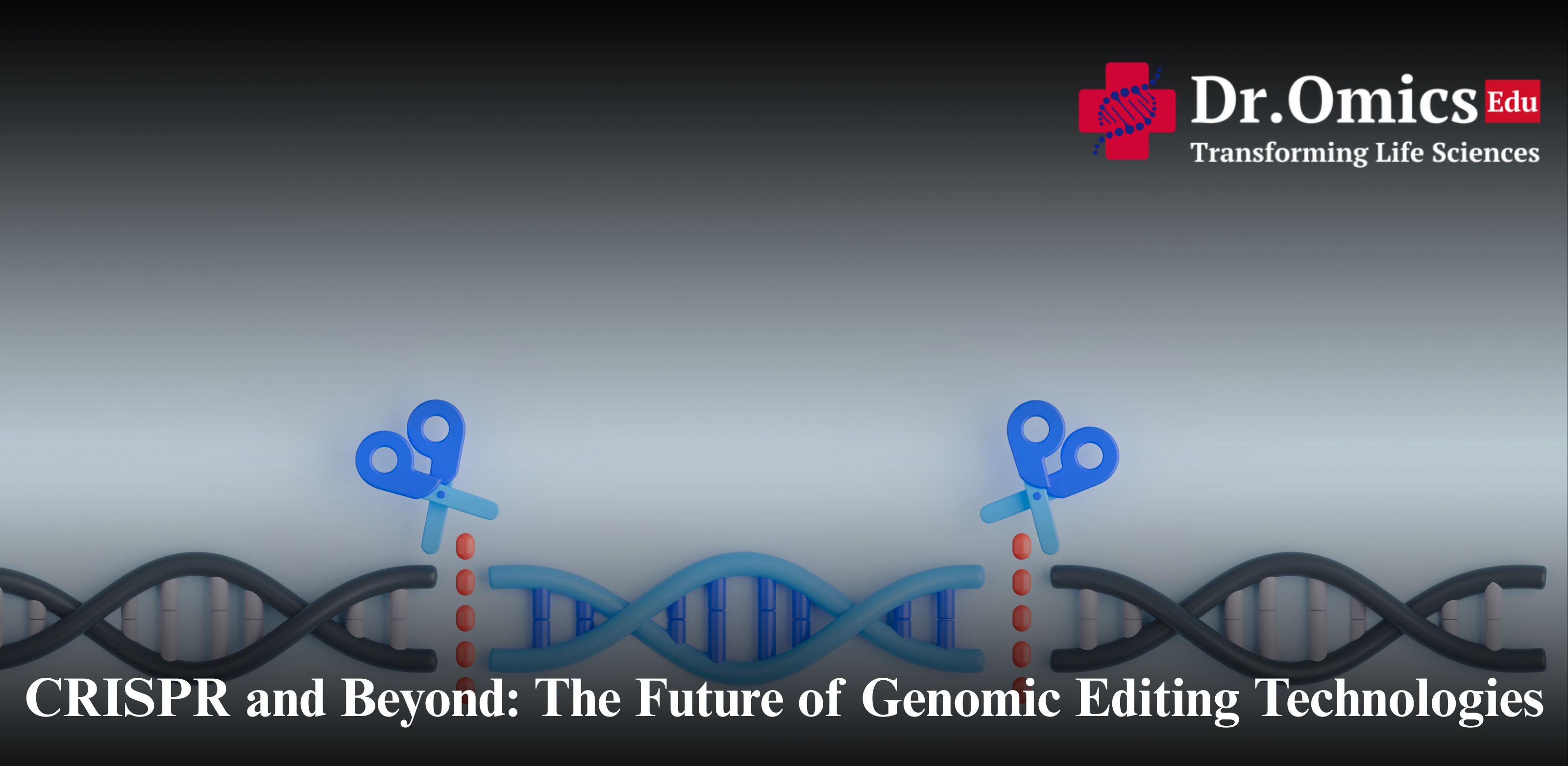
CRISPR and Beyond: The Future of Genomic Editing Technologies
CRISPR-Cas9 has revolutionized genomic research by providing a precise, versatile, and efficient method for DNA modification. From correcting genetic mutations in disease research to developing resilient agricultural crops, CRISPR applications are reshaping biotechnology. Beyond CRISPR, the future of genomic editing encompasses a broader spectrum of innovative technologies, paving the way for more sophisticated genomic manipulation techniques.
CRISPR Technology Advancements
Improved Precision and Efficiency
Recent iterations of CRISPR-Cas9 have enhanced specificity, minimizing off-target effects. This allows for highly accurate genome editing and increases confidence in therapeutic applications.
Expanded Applications
CRISPR is now being applied across a wide range of organisms—from plants to humans—enabling breakthroughs in agriculture, medicine, and basic research.
Ethical Considerations
The use of CRISPR in human embryos and other sensitive applications raises ethical questions, requiring careful regulation and responsible implementation.
Genomic Editing Trends
Base Editing
Base editors enable precise nucleotide modifications without inducing double-strand breaks, improving safety and specificity.
Prime Editing
Prime editing allows insertion, deletion, or replacement of DNA sequences, providing unparalleled flexibility for gene correction.
Multiple Genome Editing
Techniques that target multiple genes simultaneously are emerging, enabling the development of organisms with multiple desired traits or tackling complex polygenic diseases.
Gene Editing Innovations
RNA-Guided Editing
Next-generation RNA-guided systems like Cpf1 and Cas12 offer unique properties compared to CRISPR-Cas9, such as different PAM requirements and cutting mechanisms.
DNA-Guided Editing
DNA-guided editing systems promise improved specificity and efficiency for select applications.
Synthetic Biology Integration
Combining gene editing with synthetic biology enables creation of novel organisms for biofuels, therapeutics, and advanced biomaterials.
CRISPR Applications
Disease Treatment
CRISPR is being explored for genetic disorders (e.g., cystic fibrosis, sickle cell anemia), cancer therapy, and infectious disease research.
Agriculture
Gene editing improves crop yield, disease resistance, and nutritional value, addressing global food security challenges.
Research and Functional Genomics
CRISPR allows precise gene disruption or modification in model organisms, enabling scientists to study gene function, developmental processes, and disease mechanisms.
Genomic Manipulation Techniques
- Gene Therapy: Delivering corrective genes to treat genetic disorders.
- Genome Engineering: Creating organisms with desired traits for research or agriculture.
- Functional Genomics: Studying gene function to identify disease pathways and therapeutic targets.
Advanced Gene Editing Tools
- CRISPR-Cas9 Variants: Enhanced specificity and efficiency for diverse applications.
- Engineered Nucleases: ZFNs and TALENs remain relevant in select editing contexts.
- Delivery Systems: Viral vectors and nanoparticles improve delivery efficiency of gene editing components.
CRISPR in Research
- Model Organisms: Creating genetically modified organisms to study disease mechanisms.
- Drug Discovery: Identifying potential therapeutic targets by investigating gene function.
- Functional Genomics: Dissecting gene roles to understand complex biological processes.
Bioinformatics Online Courses
Training in bioinformatics and CRISPR applications is essential to leverage genomic data effectively. Key topics include:
- Genomic Data Analysis: Statistical analysis, data preprocessing, and interpretation
- Bioinformatics Tools: Sequence alignment, gene annotation, genome assembly
- Machine Learning for Genomics: Predicting gene function and disease-associated variants
Platforms like Coursera, edX, and Udemy provide flexible learning for professionals and researchers.
